

Image title: Terracotta fragment of a kylix (drinking cup)
Medium: Terracotta
Date: second quarter of the 5th century BCE
Source: The Met Collection
“
Cherish your visions and your dreams as they are the children of your soul; the blueprints of your ultimate achievements.
”
— Napoleon Hill
Artistic Visions of Tomorrow: The Intersection of AI and Human Creativity
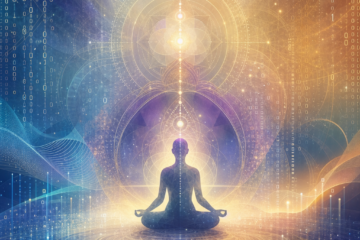
In recent years, a profound transformation has taken root in the world of contemporary art—a transformation driven by the rise of artificial intelligence. This marriage of technology and creativity is not only reshaping artistic practices but also challenging our very notions of authorship and visual expression. What began as a frontier experiment is now a burgeoning field of exploration, offering insights into the dynamic relationship between human and machine.
The Dawn of Machine Art: Origins and Evolution
To understand today’s AI-influenced art, we must first delve into its roots. Early experiments with computer-generated art date back to the 1960s, spearheaded by pioneers like Harold Cohen with his groundbreaking AI program, AARON. Cohen’s work laid a foundation for understanding how algorithms could assist—not replace—human creativity. Over the decades, as computational power increased and algorithms became more sophisticated, the integration of AI into artistic processes evolved from novelty to legitimacy.
Reimagining Authorship: Who Creates the Art?
One of the most intriguing questions AI art poses is that of authorship. When an AI generates a piece, who is the artist—the machine, the programmer, or the collaborative duo? This question fundamentally shifts how we view art creation. AI systems, using deep learning and neural networks, are capable of analyzing vast amounts of data to produce works that mimic or even transcend human capability, yet they remain dependent on the creative direction and intent of their human counterparts. The result is a shared authorship, one that fosters a new kind of relationship between man and machine.
A New Aesthetic Language: Innovations and Challenges
AI-generated art introduces a novel aesthetic language, one that is both familiar and alien. Algorithms capable of creating intricate visual patterns, novel compositions, and unexpected juxtapositions push the boundaries of conventional aesthetics. Artists such as Refik Anadol and Mario Klingemann leverage AI to create immersive installations that engage audiences in unprecedented ways. However, the newness of this form does not come without challenges—it beckons us to rethink our understanding of creativity and originality, raising questions about the nature of inspiration itself.
Cultural and Philosophical Implications: Reflecting Our Times
As AI art continues to evolve, it mirrors the cultural and philosophical currents of our era. This interplay compels us to examine how technology molds not just art, but societal perceptions of creativity and human identity. As algorithms become capable of self-improvement, they paradoxically enhance our appreciation of human imperfection and the unique touch of the artist’s hand. In exploring this tension, AI art not only reflects contemporary society’s technological prowess but also its introspection and existential queries.
Looking Forward: The Future of Collaborative Creativity
As we look toward the future, the potential for AI to augment human creativity is boundless. Emerging platforms and technologies promise even greater interaction between artists and algorithms. AI art will not replace traditional methods but will enrich the artist’s toolbox, offering new avenues for expression and innovation. The collaborative creativity that emerges has the potential to redefine art itself, making the once distant vision of a harmonious human-machine partnership an inspiring reality.

Image description: Garlic bulbs and cloves
Artist: Ivar Leidus
Credit: Own work
License: CC BY-SA 4.0
Source: Wikimedia Commons
Useful links: