
“
Myths which are believed in tend to become true.
”
— George Orwell
The Mythology Machine—AI Generated Myths Through Artwork
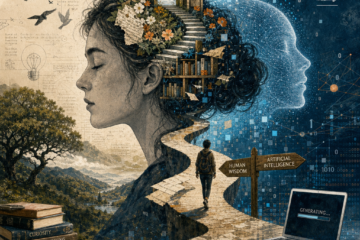
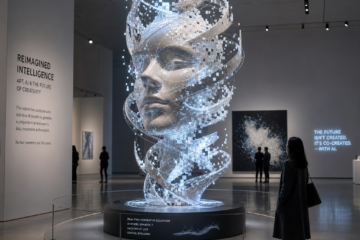
In an era where technology intertwines seamlessly with art, the rise of artificial intelligence has ushered in an unprecedented realm of creativity—AI-generated myths. These digital narratives, woven with both algorithmic precision and artistic flair, are redefining how myths are created, perceived, and appreciated. This blog delves into the evolution of these modern myths, painted onto the digital canvas by the mechanical hand of AI.
The Dawn of Digital Myth-making
The concept of myth-making is as old as civilization itself. Humans have always sought to explain the world and its mysteries through stories. From the pantheons of Greek gods to the rich tapestry of Hindu epics, myths have provided societal anchor points. But what if these ancient narratives could be reinvigorated with fresh creativity using artificial intelligence—an impartial author, free from cultural constraints?
The first wave of AI-generated artworks focused on recreating existing mythologies through machine learning algorithms. Early endeavors utilized databases of classical art and literature, weaving new forms and stories from the titanic repository of human imagination. Artists and coders collaborated to breathe new life into age-old tales, offering a modern twist while preserving the essence of what makes them timeless.
From Renaissance to Algorithm
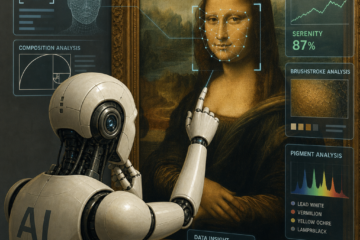
During the Renaissance, artists like Michelangelo and Leonardo da Vinci revolutionized the way mythological themes were depicted through the high art of painting and sculpture. Their works reinterpreted classical themes in ways that emphasized human emotion and the divine connection. Today, AI artists stand on these historical shoulders, as algorithms reinterpret these rich traditions, creating surreal and abstract interpretations that belong simultaneously to the past, present, and future.
The blend of machine learning with current digital art technology borrows from historical techniques. Neural networks, trained with thousands of images from different artistic periods, can concoct entirely new compositions inspired by the emotional depth and symbolic richness admired during the Renaissance, filtered through a futuristic lens.
New Myths in a Postmodern World
Our postmodern society is inherently skeptical of metanarratives, yet there is a collective yearning for new stories that reflect contemporary existential crises—climate change, digitalization, and cultural fragmentation. AI-created mythologies serve this need by dissecting and recomposing narrative elements into hybrids resonating with modern audiences.
Projects like ‘Mythographics’ and ‘The Algorithmic Myths’ blend AI with advanced graphics to construct new digital pantheons. These are not just visual endeavors but philosophical undertakings, questioning the dichotomy between human creativity and artificial creation, as well as the narrative authority granted to machines.
Dialogues with Technology: Human Inputs and AI Outputs
Despite its growing autonomy, AI relies heavily on human inputs. Artists and programmers serve as digital shamans, guiding the algorithmic spirits to create coherent narratives. This interaction fosters primeval bonds between the creator and the created. Through workshops, exhibitions, and virtual platforms, observers and creators alike can partake in these dialogues, examining the implications and subconscious biases embedded within the generated myths.
AI tools such as GANs (Generative Adversarial Networks) and DALL-E allow for collaborative art forms, where human imagination pairs seamlessly with machine precision. This dynamic allows mythologies to evolve in unexpected ways, encouraging introspection within the art community about the ownership and authenticity of such pieces.
Future Horizons: The Infinite Canvas
The potential for AI-generated myths is vast and largely untapped. As technology advances, so will the capability of AI to generate increasingly complex and interactive mythological narratives, potentially transforming how art is consumed and understood on a global scale.
Future endeavors may see augmented reality and virtual reality unify with AI art, creating immersive storytelling experiences where viewers become participants in mythical worlds. This digital transformation converges with the timeless human urge to create and share stories, prompting philosophical reflections on the very essence of myth and the enduring power of art.

Image description: Egyptian-Mythology-20.jpg
Artist: Ilkinhemidov
Credit: Own work
License: CC BY-SA 4.0
Source: Wikimedia Commons
Useful links: