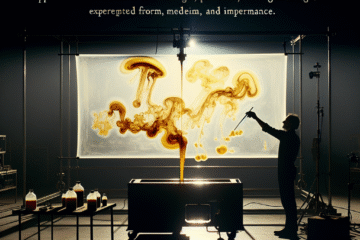
From Atom to Abstract: Quantum Physics Meets Color Field Painting

Image title: Ia Orana Maria (Hail Mary) Medium: Oil on canvas Date: 1891 Source: The Met Collection   “ Luck is what happens when preparation meets opportunity. ” — Seneca the Younger From Atom to Abstract: Quantum Physics Meets Color Field Painting   Introduction: When Color Meets the Quantum Field In the mid-20th century, two seemingly disjoint disciplines—abstract painting and quantum physics—were undergoing seismic shifts. On one hand, artists like Mark Rothko, Barnett Newman, and Read more…
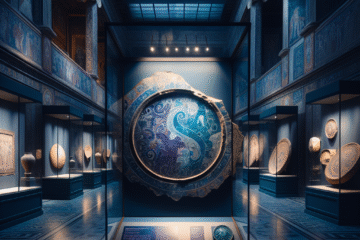
Maya Blue and Other Sacred Colors Lost to Time

Image title: Eagle relief Medium: Andesite or dacite, Maya blue, stucco, red pigment Date: 900–1200 CE Source: The Met Collection   “ The sum of wisdom is that time is never lost that is devoted to work. ” — Ralph Waldo Emerson Maya Blue and Other Sacred Colors Lost to Time   Introduction: The Mystery in the Hue The story of ancient art is not just carved in stone or painted on walls—it’s also baked Read more…

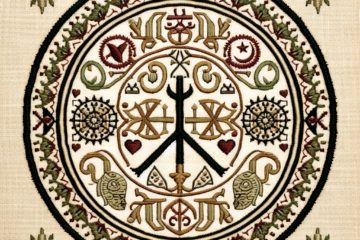
Stitching Borders: The Radical Politics of Embroidered Protest Art

Image title: Hermann von Wedigh III (died 1560) Medium: Oil and gold on oak Date: 1532 Source: The Met Collection   “ Pitching is the art of instilling fear. ” — Sandy Koufax Stitching Borders: The Radical Politics of Embroidered Protest Art   Introduction: Needles as Weapons of Resistance Historically dismissed as a domestic pastime or women’s work, embroidery has often remained on the margins of high art discourse. Yet, across continents and decades, textile Read more…

“The Frame Is a Lie”: Meta-Artworks That Refuse to Contain Themselves

Image title: Hermann von Wedigh III (died 1560) Medium: Oil and gold on oak Date: 1532 Source: The Met Collection   “ One that desires to excel should endeavor in those things that are in themselves most excellent. ” — Epictetus “The Frame Is a Lie”: Meta-Artworks That Refuse to Contain Themselves   Introduction: The Politics of the Perimeter What does it mean to “frame” a work of art? At its surface, the answer seems Read more…

When Marble Lies: Propaganda in Classical Sculpture

Image title: Barberini Cabinet Medium: Oak and poplar veneered with various exotic hardwoods, with ebony moldings and plaques of marble, slate (paragon); pietre dure work consisting of colored marbles, rock crystal, and various hardstones Date: ca. 1606–23 Source: The Met Collection   “ When in doubt, don’t. ” — Benjamin Franklin When Marble Lies: Propaganda in Classical Sculpture   Introduction: The Silent Power of Stone Walk into any classical museum, and you’re sure to encounter Read more…

The Unknown Muses: Forgotten Women Who Funded the Renaissance

Image title: The Crucifixion with the Virgin and Saint John Medium: Oil on canvas Date: ca. 1624–25 Source: The Met Collection   “ I am not bothered by the fact that I am unknown. I am bothered when I do not know others. ” — Confucius The Unknown Muses: Forgotten Women Who Funded the Renaissance   Introduction: Invisible Architects of a Cultural Revolution When we think of the Renaissance, names like Leonardo da Vinci, Michelangelo, Read more…

The Erotics of Enamel: Sensuous Surfaces in Limoges Art

Image title: The Wedding Feast of Cupid and Psyche Medium: Painted enamel on copper, partly gilt Date: 1558 Source: The Met Collection   Introduction: Shimmering Devotion and the Touch of Desire In the cool chapels and candlelit alcoves of medieval Europe, there flickered not only the light of religious devotion but also the glimmer of another kind of allure — the sensual allure of enamel. Limoges, a city nestled in the heart of France, became Read more…

Kafka’s Canvas: The Surrealism of Bureaucracy in Eastern European Art

Image title: Prayer in the Mosque Medium: Oil on canvas Date: 1871 Source: The Met Collection   Introduction: Kafka’s Shadow in Oil and Ink In the dim corridors of Cold War Eastern Europe, between the echoing typewriters and rubber stamps of endless paperwork, a distinct form of visual art emerged—one haunted not by ghosts but by documents, desks, and dizzying systems of bureaucracy. In Czechoslovakia and Poland, where the state apparatus loomed large and omnipresent, Read more…

Neural Style Transfer as Digital Surrealism: A New Movement?

Image title: Holy Family with an Angel Medium: Tempera on canvas, transferred from wood Date: ca. 1490 Source: The Met Collection   Introduction: When Machines Dream in Color Art has always moved in tandem with its times, reflecting both cultural tides and technological revolutions. Today, one of the most compelling dialogues in contemporary art involves artificial intelligence—particularly neural style transfer (NST). This algorithmic technique allows machines to remap the style of one image onto the Read more…

‘Destroy This Painting’: Auto-Destructive Art Before NFTs

Introduction: The Art of Ephemerality Long before the rise of blockchain technology and the speculative buzz of NFTs, a different kind of disruption was quietly detonating within the art world. In the 1950s and 60s, a group of radical visionaries began creating artworks that were not meant to last. They wanted their creations to decay, vanish, or destroy themselves—on purpose. This movement, known as Auto-Destructive Art, was a direct response to the post-war industrial world, Read more…