
“
The universe is made of stories, not atoms.
”
— Muriel Rukeyser
Myths Reimagined: The Intersection of Ancient Stories and Contemporary Art
Chapter 1: The Timeless Allure of Myth
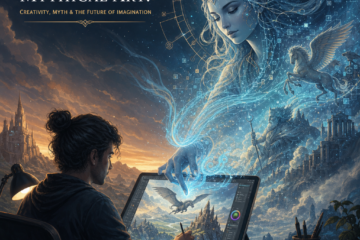
Myths are the narratives that anchor civilizations across the ages, offering a window into the beliefs and values of ancient cultures. These stories, steeped in symbolism and archetype, speak to the human experience in profound ways, transcending time and geography. Painters throughout history have turned to these ancient tales as a source of inspiration, each flourishing era leaving its unique imprint. The Renaissance brought forth humanistic interpretations of Greco-Roman myths, while the Romantic period reveled in the emotional depths of these timeless narratives. Yet, it is in the realm of contemporary art that myths undergo the most radical reimagining, as modern artists infuse age-old stories with fresh perspectives, informed by today’s globalized and technologically connected world.
Chapter 2: The Surrealism of Mythology in the 20th Century
Surrealism, born in the aftermath of World War I, emphasized the subconscious and the uncharted territories of the mind, offering fertile ground for the reinterpretation of myths. Salvador Dalí, with his dreamlike landscapes and bizarre juxtaposition of elements, intricately wove classical mythology into his works. ‘Metamorphosis of Narcissus’ is a vivid reinterpretation of the Greek myth, where Dalí’s distinctive style highlights the fluidity between illusion and reality. A Surrealist’s canvas becomes a place where myths are not merely retold but are transformed, fragmented, and reborn, evoking philosophical questions about identity, desire, and reality.
Chapter 3: Global Myths in the Expansive Canvas of Contemporary Art
In today’s increasingly interconnected world, contemporary artists draw from a vast reservoir of global myths, merging traditional narratives with new cultural experiences. Artists like Kehinde Wiley and Amy Sherald have tapped into ancient themes, yet their work addresses modern identity and politics. Wiley reinterprets classical European portraiture by placing Black figures in grand, heroic contexts, upending conventional mythology with commentary on race and representation. Through such art, ancient stories find new dimensions of significance, as artists merge past narratives with current sociopolitical dialogues.
Chapter 4: Digital Myths and the Technological Transformation
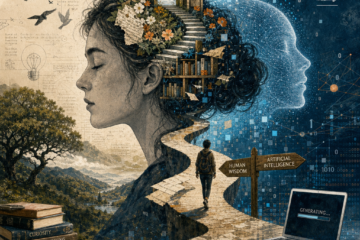
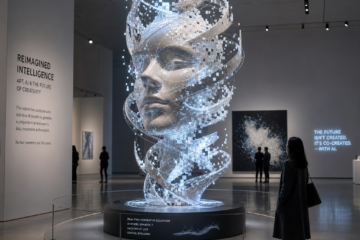
With the dawn of the digital age, myths are not just confined to the painted canvas but have expanded into the digital realm. Digital artists and virtual reality creators like Jonathan Dotse are crafting immersive narrative experiences inspired by mythological themes. This transition from the traditional to the digital media invites audiences to become active participants in a fully interactive interpretation of myth. These technologically driven art forms challenge our perceptions, overlaying ancient archetypes with cutting-edge technology, and reimagining heroes’ journeys and creation myths in pixelated vistas.
Chapter 5: The Philosopher’s Eye: Myths as a Reflection of the Human Condition
Contemporary interpretations of ancient myths invite reflection not just on the behavior of gods and mortals from long ago, but on enduring philosophical questions. The recurrence of themes such as hubris, retribution, love, and transformation reflects humanity’s unchanging nature. Philosophers like Joseph Campbell have long dissected the ubiquity of these narratives in ‘The Hero’s Journey,’ a structure visible in art spanning from ancient pottery to modern video games. Each iteration and reinterpretation of myth offers a distinct lens through which we can examine our own existence, our struggles, and our evolution as a society.
Conclusion: Reimagining Futures Through Myths
Myths continue to be a malleable medium within which contemporary artists can explore diverse themes, challenge perceptions, and forge connections across cultures. As technology evolves, so too does the artistic expression of these stories, ensuring that the age-old myths are ever-relevant, ever-evolving catalysts for imagination and debate. They are reflections of our collective past and blueprints for dreaming of possible futures.

Image description: Ikibuye cya SHARI, the big stone known for various myths in Rwanda. It is located in Huye District
Artist: Claude Nizeyimana
Credit: Own work
License: CC BY-SA 4.0
Source: Wikimedia Commons
Useful links: