
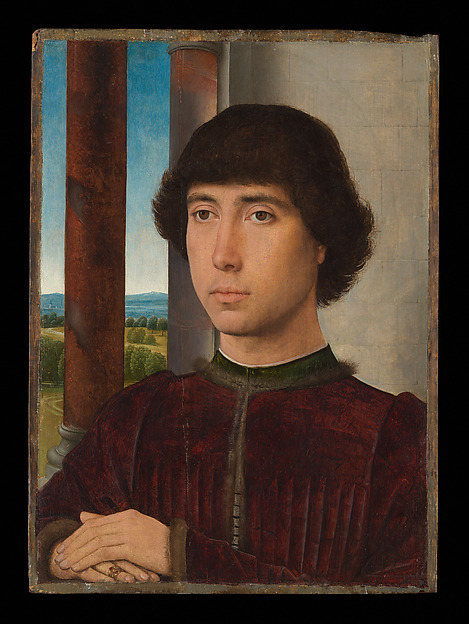
Image title: Portrait of a Young Man
Medium: Oil on oak panel
Date: ca. 1472–75
Source: The Met Collection
“
To listen well is as powerful a means of communication and influence as to talk well.
”
— John Marshall
Art After Midnight: The Influence of Dreams on Surrealist Painters
Introduction
Surrealism, a 20th-century avant-garde movement in art and literature, sought to release the creative potential of the unconscious mind. This revolutionary movement was heavily influenced by dreams, a fertile ground where the boundaries of reality blur, allowing imagination to roam free. Artists like Salvador Dalí and Max Ernst delved deep into their subconscious, producing works filled with dream-like landscapes and bizarre imagery that continue to captivate and mystify audiences today.
The Genesis of Surrealism
The surrealist movement emerged in the early 1920s, founded by André Breton and influenced by the psychoanalytic theories of Sigmund Freud. Freud’s exploration of dreams as a gateway to the unconscious fascinated artists and intellectuals, spurring them to explore new realms beyond rational thought. The Manifesto of Surrealism, published by Breton in 1924, defined the movement as a means to express the true functioning of thought, freed from the constraints of reason.
Salvador Dalí and the Hand-Painted Dream Photographs
Salvador Dalí, one of the most iconic surrealists, harnessed his dreams to create what he called “hand-painted dream photographs.” Dalí’s works, such as “The Persistence of Memory,” depict dreamlike visions where objects melt and transform, bending the perception of space and time. Dalí was adept at depicting the irrationality of dreams with meticulous precision, turning the incomprehensible into tangible masterpieces.
Max Ernst and the Depths of the Subconscious
Max Ernst, a pioneer of the surrealist movement, drew inspiration from his dreams to create hauntingly enigmatic collages and paintings. Utilizing techniques like frottage and grattage, Ernst explored the layers of the subconscious, capturing the chaos and randomness of dreams. His work “The Elephant Celebes” showcases a surreal world where logic is suspended, and dream logic takes precedence, creating a visual symphony of the unfathomable.
The Legacy and Evolution of Dream-Inspired Art
The influence of dreams on surrealist art paved the way for numerous transformations in visual art. It shifted the focus toward exploring the inner world of emotions and subconscious thoughts, giving rise to movements like abstract expressionism. The dreamscapes of surrealists have inspired generations of artists to delve into the deeper recesses of their minds, producing artworks that challenge and transcend the ordinary.
The Cultural and Philosophical Impact of Surrealism
Surrealism was more than an art movement; it was a cultural and philosophical reaction to the chaos of the early 20th century, seeking solace in realms detached from the harsh realities of war and industrialization. It promised a revolution in human consciousness, offering a path to freedom and understanding through the exploration of dreams. This ethos continues to resonate today, as art and culture grapple with the complexities of modern life.
In conclusion, the dreams of surrealist painters turned into visual poetry that defied and redefined the boundaries of art. Their journey into the subconscious resulted in a profound legacy that continues to inspire curiosity and creativity, proving that dreams hold the incredible power to illuminate the canvas of reality.

Image description: Surrealism 2022 Death Valley by David S. Soriano.
Artist: David S. Soriano
Credit: Own work
License: CC BY-SA 4.0
Source: Wikimedia Commons
Useful links: