
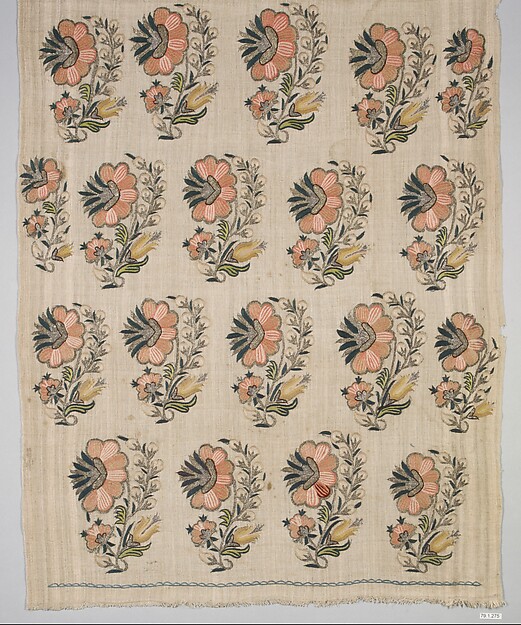
Image title: Towel End
Medium: Linen, silk, metal wrapped thread; plain weave, embroidered
Date: early 19th century
Source: The Met Collection
“
The art challenges the technology, and the technology inspires the art.
”
— John Lasseter
Art in Exile: Creativity Across Borders
Introduction: Creativity on the Move
Art is often born from adversity, with creativity flourishing in the face of obstacles. Art in exile is a powerful testament to this truth, capturing the resilience of the human spirit amid displacement. Forced migration has made a profound impact on artistic expression throughout history, transforming exile into a unique lens of artistic storytelling. Artists in exile blend their experiences of political turmoil and cultural upheaval into compelling narratives, shaping unique visual languages that speak to both personal and universal themes. This article delves into different eras where artists found inspiration amidst displacement and cultural upheaval.
Chapter 1: The Legacy of the Renaissance Wanderers
The Renaissance, a period marked by a cultural rebirth across Europe, saw many artists becoming exiles due to political strife and religious persecution. It was an age when artists like Leonardo da Vinci became itinerant, moving from Florence to Milan and then to France, taking their evolving styles with them. The portability of art and ideas during the Renaissance era was facilitated by technological advancements like the printing press, which helped disseminate artistic trends. These wanderers forged cultural bridges between disparate regions, blending elements from various artistic traditions into their own work. Da Vinci’s notebooks, filled with sketches and musings from his travels, remain one of the period’s significant testaments to creativity forged in exile.
Chapter 2: Impressionism and the Turmoil of War
The advent of the Impressionist movement in the late 19th century coincided with significant socio-political upheavals. Many Impressionists, such as Claude Monet and Camille Pissarro, were personally affected by the Franco-Prussian War, which forced them into temporary exile. Monet fled to England, where he marveled at the changing urban landscape through England’s misty atmosphere, which profoundly influenced his artistic technique. Exile allowed these artists to encounter new environments and communities, which expanded their palettes and enriched their perspectives—an experience vividly reflected in Monet’s famous series of paintings on the Houses of Parliament, a work deeply inspired by his time in London.
Chapter 3: Twentieth-Century Diaspora and Identity
The 20th century was rife with displacement due to global conflicts, producing an exodus of artists who would influence worldwide art scenes. The turmoil of the World Wars and the rise of totalitarian regimes created waves of artistic migration. Artists like Marc Chagall, a Jewish painter from Belarus, found themselves uprooted by the chaos of war. Chagall’s journeys through Russia, France, and eventually America infused his work with a rich amalgamation of Jewish iconography and surreal modernist elements. His dream-like paintings, filled with floating figures and village scenes, serve as poignant reflections of a life caught between homelands.
Chapter 4: Contemporary Perspectives: Refugees and Cultural Hybridity
Today, with global crises prompting unprecedented levels of migration, exiled artists continue to explore themes of identity and belonging. Contemporary artists like Ai Weiwei, who has been exiled due to his activism in China, draw on their experiences to highlight issues of human rights and freedom of expression across borders. Ai Weiwei’s installations, often monumental in scale, use materials like life vests and refugee boats to evoke the struggles and dreams of displaced peoples. In a digital age, technological advancements in virtual reality and online platforms further allow artists to bridge gaps between cultures, transcending geographical confines with their creativity.
Chapter 5: Philosophical Reflections on Art and Displacement
Forced migration has compelled artists to confront and reinterpret their identities, challenging static notions of culture and nationality. This displacement often prompts a philosophical reflection on the human condition, drawing parallels between personal journeys and global narratives. The ability to create amidst upheaval not only provides individual solace but also a powerful means to provoke discussion and spark change. In this light, art in exile is not merely about survival; it’s a transformative mode of resistance and renewal.
Conclusion: The Tenacious Artistry of the Exiled
Art in exile showcases the paradox of displacement: loss intertwined with the genesis of new worlds. Through their art, these displaced creators not only document their personal journeys but also give voice to millions who share in the universal experience of seeking refuge. By exploring the past and present of this enduring relationship between exile and creativity, we acknowledge the extraordinary role art plays in shaping our understanding of identity, resilience, and hope.

Image description:
Print shows Napoleon I seated backwards on a donkey on the road "to Elba" from Fontainebleau; he holds a broken sword in one hand and the donkey's tail in the other while two drummers follow him playing a farewell(?) march. Includes twelve lines of verse.
Artist:
Unknown authorUnknown author
Credit: Library of Congress: The journey of a modern hero, to the island of Elba
License: Public domain
Source: Wikimedia Commons
Useful links: