
“
In seed time learn, in harvest teach, in winter enjoy.
”
— William Blake
Sculpting Reality: Analyzing AI’s Emerging Role in Contemporary Sculpture
1. The Intersection of Tradition and Innovation
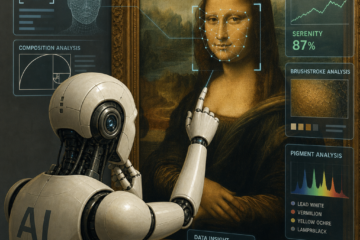
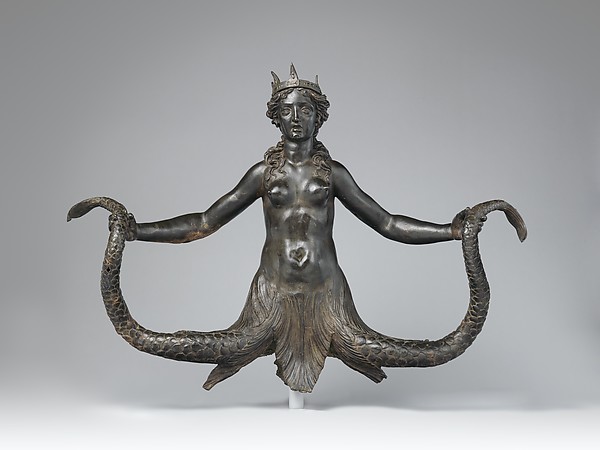
Throughout history, sculpture has served as a profound medium for human expression. From the classical busts of ancient Greece to the intricate carvings of the Renaissance, each era has contributed unique styles and innovations. As we navigate the 21st century, we witness the dawn of a new chapter influenced by the rapid advancements in artificial intelligence (AI). Contemporary artists are now able to employ machine learning technologies to redefine and expand the boundaries of three-dimensional art, bringing forth a new wave of creativity that melds tradition with innovation.
2. The Technological Renaissance
The integration of AI into sculpture marks a significant renaissance akin to past art movements that embraced technological advances. Just as the use of bronze and marble revolutionized previous artistic methods, AI and digital technology are reshaping the sculptural landscape. Artists can create complex, dynamic forms previously deemed unimaginable. Algorithms assist in generating novel shapes and patterns, offering artists new tools to explore their creative visions. With AI-driven design, sculptures can respond to environmental stimuli, evolve in appearance, or even interact with observers, making static art pieces active participants in the viewer’s experience.
3. Philosophical Reflections on Machine-Made Art
The use of AI in sculpture prompts philosophical questions about the nature of creativity and authorship. Traditionalists may argue that machine intervention dilutes human creativity, yet AI can also be seen as an extension of the artist’s imagination—a collaborative entity that enhances rather than replaces the human hand. Sculptors using AI challenge the conventional relationships between creator, tool, and art. These practices force us to reevaluate what constitutes art and creation in an era deeply intertwined with technology, addressing broader cultural narratives about control, originality, and the essence of human expression.
4. Pioneers of AI Sculpture
Several pioneering artists are at the forefront of the AI sculpture revolution. Artists like Sougwen Chung and Leonel Moura utilize machine learning to develop sculptures that stand at the intersection of art and science. Their works are characterized by the interplay between human intention and machine intelligence, resulting in pieces that reflect both programmed precision and unpredictability. By employing AI, these artists are mapping new territories in sculpture, creating hybrid forms of art that blend the digital and physical realms.
5. The Cultural Implications of AI Sculptures
AI-enhanced sculptures also reflect broader cultural shifts in how societies interpret and integrate technology. These artworks often serve as tools for social commentary, reflecting issues such as surveillance, data privacy, and the ethics of automation. As global culture becomes increasingly digitized, AI sculptures hold a mirror to contemporary life, encouraging viewers to question and reflect upon their identities and the ever-evolving landscapes of their surroundings.
The fusion of AI and sculpture marks not only technological advancements but also a profound cultural evolution. As artists continue to experiment and push boundaries, the future of sculpture seems poised for a continuous reimagining—one in which the synergy between human narrative and artificial intelligence charts new courses for artistic exploration.

Image description: The War Memorial, by Domenico Trentacoste, Corso del Popolo
Artist: Didier Descouens
Credit: Own work
License: CC BY-SA 4.0
Source: Wikimedia Commons
Useful links: