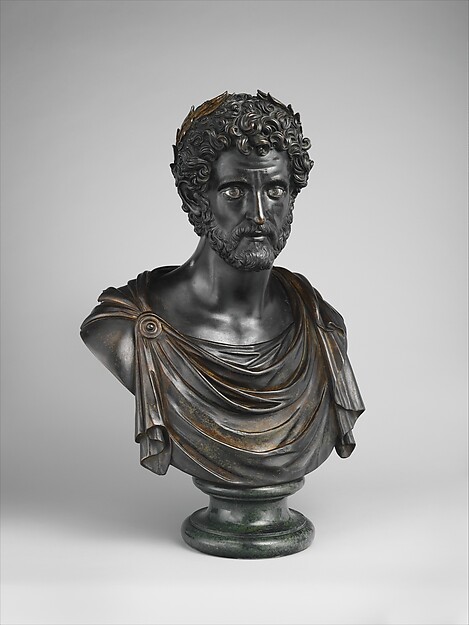
Image title: Emperor Antoninus Pius
Medium: Bronze, partially oil-gilt, silver inlay, on serpentinite socle
Date: 1519–24
Source: The Met Collection
“
Pitching is the art of instilling fear.
”
— Sandy Koufax
The Unseen Brushes of War: How Conflict Shapes Art Practice
Chapter 1: Carvings of Conflict: Ancient Battle Depictions
From the earliest civilizations, war has played a pivotal role in shaping the human experience, and consequently, art. Ancient battle carvings, such as those found on the Assyrian reliefs, are striking in their detail and storytelling prowess. These engravings served a dual purpose: as a record of victory and a divine endorsement of a ruler’s power. Unlike mere historical documents, the artistry in these carvings elevates the accounts to near-mythical proportions, blending reality with cultural ideology. Artists of the time were tasked with not just depiction but with interpreting the ethos of their societies through these grandiose stone tapestries.
Chapter 2: The Renaissance: War Through a Humanistic Lens
The Renaissance heralded an era of profound transformation in the way war was depicted in art. With humanism at its core, this period saw artists like Leonardo da Vinci and Michelangelo delving into war’s human dimensions. Da Vinci’s detailed anatomical studies and sketches of military machines reveal a fascination with both the destruction of war and the technical ingenuity behind it. Meanwhile, the embellishments of battle scenes in paintings served as conduits for both glorification and introspection, reflecting a complex dialogue between human dignity and the ravages of conflict.
Chapter 3: Romanticism and the Heroic Myth
The 19th century Romantic era gave rise to a paradoxical portrayal of war, emphasizing both its horror and its allure. Artists like Francisco de Goya and Eugène Delacroix captured the chaotic and often brutal nature of warfare while imbuing their works with a romanticized, heroic narrative. Goya’s series, “The Disasters of War,” stand as visceral commentaries on the human cost of conflict. These works eschew glamour for grim reality, portraying war as a senseless tragedy heavy with sorrow, thereby challenging the heroic myths often associated with military glory.
Chapter 4: The 20th Century: Modernism, War, and the Abstract
As the world experienced the cataclysmic World Wars, artists turned towards modernism to grapple with chaos and anxiety. The fragmentation and abstraction in works by artists such as Pablo Picasso with his “Guernica” reflect the dissonance and devastation wrought by war. In such pieces, war is no longer just an event but a disorienting experience, captured through distorted forms and unsettling imagery. The technological advancements of the era influenced not only military strategy but also art itself, as photography and film introduced new dimensions in documenting and critiquing warfare.
Chapter 5: Contemporary Reflections: War Through the Eyes of Veterans
In the contemporary era, the lens through which art views war has expanded to include deeply personal narratives from veterans themselves. Art therapy programs for veterans encourage the use of creative practice as a means for grappling with PTSD and other war-induced traumas. Modern veterans, such as artist and Marine Benjamin Busch, leverage their firsthand experiences to challenge the perception of war in society, often questioning the dichotomy between heroism and helplessness. Today’s art captures not just historical or political elements of warfare but explores the psychological scars that persist long after conflict subsides.
Throughout history, whether carved into stone or painted on canvas, art has served as a potent medium for both recording and processing the multifaceted realities of war. From glorification to condemnation, the depiction of conflict in art has shifted aligned with human society’s evolving understanding of war and its consequences.

Image description:
La obra representa el momento en que Justino de Nassau rindió la ciudad de Breda, en 1625, a las tropas españolas al mando del general Ambrosio Spínola, que aparece recibiendo las llaves de la ciudad de manos de su enemigo.
License:
Public domain
Source:
Wikimedia Commons
Useful links: