“
The art challenges the technology, and the technology inspires the art.
”
— John Lasseter
The Art of Protest: Visual Revolutions from Around the World
Introduction
Throughout history, visual art has served not just as a medium for personal expression, but as a powerful vehicle for political protest and social transformation. From intricate murals on city walls to fleeting performance pieces, artists have consistently used their craft to provoke thought, challenge authority, and inspire change. This article delves into significant movements and moments where art was not just seen, but felt as an agent of revolution.
1. Murals and the Mexican Revolution: A Tapestry of Change
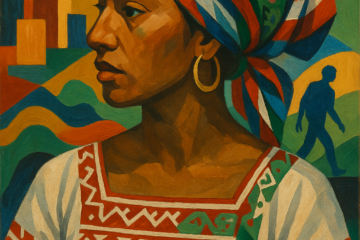
The early 20th century witnessed a profound intertwining of art and politics in Mexico, spearheaded by the Mexican Muralist Movement. At the heart of this revolution stood artists like Diego Rivera, David Alfaro Siqueiros, and José Clemente Orozco. Following the Mexican Revolution, these artists took to the vast surfaces of public buildings, crafting murals that celebrated indigenous culture, critiqued social inequalities, and depicted revolutionary ideals. Rivera’s murals, with their bold colors and dynamic scenes, were not just art—they were narratives that harnessed Mexico’s cultural identity and valorized its revolutionary spirit.
2. Graffiti and Street Art: Voice of the Voiceless in America
Jumping forward several decades and across borders, the graffiti and street art movements in the United States emerged as a vibrant form of resistance, particularly during the 1970s and 1980s. Born in the subways of New York City, graffiti artists like Jean-Michel Basquiat and Keith Haring used the urban environment as their canvas. Their art spoke on racial inequality, economic disparities, and LGBTQ rights, challenging social norms and critiquing the status quo. This raw, unfiltered art form transformed cities into galleries, democratizing the space of art and saying in striking visual language what many were afraid to voice.
3. The Power of Performance: Guerrilla Girls’ Feminist Interventions
The 1980s also birthed the Guerrilla Girls, an anonymous collective of female artists using art to highlight sexism and racial inequality in the art world itself. Wearing gorilla masks and adopting pseudonyms of deceased female artists, they utilized humor, performance art, and provocative visuals to challenge misogyny and bias. Their posters, exhibitions, and protests upturned gallery spaces, disrupting the art industry’s traditional landscape and confronting gender prejudices with a clever twist of activism and performance.
4. Digital Art and the Arab Spring: Revolutionary Bytes
With technological advancements, the digital landscape became a potent platform for artistic protest during the Arab Spring. In countries like Tunisia and Egypt, artists harnessed the power of digital art and social media to visualize their defiance against oppressive regimes. For instance, the Egyptian political street artist Ganzeer leveraged the internet to spread his images, which became symbols of resistance that could rapidly circulate and inspire action across the globe. The fusion of digital art with political activism showed how technology can transcend traditional boundaries and energize movements on a global scale.
5. Indigenous Art as Protest: Standing Rock and Beyond
In recent years, indigenous artists have emerged at the forefront of protest movements, using their art to underscore the struggles and resilience of indigenous people. During the Standing Rock protests against the Dakota Access Pipeline, indigenous artists created impactful visual art that was both emblematic and mobilizing. Works like Shepard Fairey’s “We the People” poster series, inspired by indigenous iconography, became rallying cries not just for environmental justice, but for the broader movement of indigenous rights and sovereignty.
Conclusion
The nexus of art and protest highlights the enduring power of visual expression in rallying individuals towards social change. Whether through murals, graffiti, performance, or digital art, artists continue to challenge the narratives imposed by the powerful and offer fresh, alternative visions of society. As long as there is art, there will be a means to resist, transform, and revolutionize the world.

Image description:
San Diego State University, April 30, 2024
License:
CC0
Source:
Wikimedia Commons
Useful links: