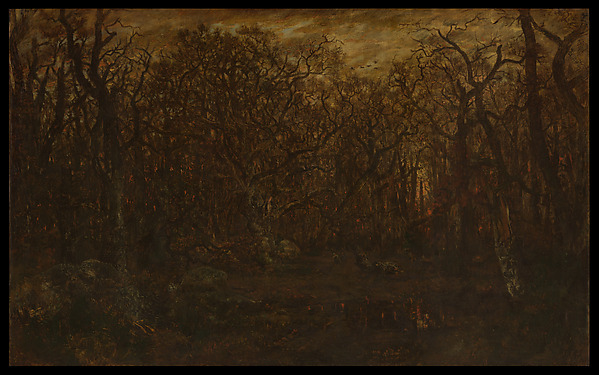
Image title: The Forest in Winter at Sunset
Medium: Oil on canvas
Date: ca. 1846–67
Source:
The Met Collection
“
Be slow to fall into friendship; but when thou art in, continue firm and constant.
”
— Isocrates
‘Recycled Visions’: Upcycling Trash into Urban Public Art Worldwide
Introduction: Urban Refuse as Creative Catalyst
Throughout history, art has reflected humanity’s relationship with its environment. In the growing labyrinths of urban life, waste—once an eyesore—has found unlikely new purpose. All over the globe, artists and communities are reclaiming refuse, transforming piles of discarded materials into awe-inspiring public installations. This phenomenon, dubbed ‘upcycled art,’ challenges our perceptions and gives trash profound new meaning. Join us as we explore the journey of waste from landfill to landmark, tracing the evolution of transformative art movements across eras and continents.
1. Early Twentieth Century: The Birth of Readymades
The seeds of upcycled art were sown in the early 1900s, when avant-garde artists sought to disrupt conventions. Most notably, Marcel Duchamp’s ‘Fountain’—a urinal signed “R. Mutt”—shocked the art world, questioning not only what art could be, but also where art could be found. The Dada and Surrealist movements often incorporated found objects, making the ordinary extraordinary. This radical rethinking of materials opened the door to using trash as a canvas, a gesture both rebellious and philosophical: art could be everywhere, and everything could become art.
2. The Mid-Century Environmental Turn
By the 1960s and 70s, growing awareness of environmental crises brought renewed urgency to media choice. Artists like Arman and César in France, and Robert Rauschenberg in the United States, began incorporating industrial waste, scrap metal, and used items into their assemblages. These works echoed anxieties about mass production and environmental neglect. The Italian Arte Povera movement—literally “poor art”—celebrated humble, everyday materials, further challenging the notion of preciousness in art. The dialogue between upcycling and environmental activism started here, hinting at future monumental public art made from refuse.
3. Trash in the Public Square: Monumental Installations
In recent decades, upcycled art has moved from galleries to the streets, plazas, and parks of the world’s cities. Brazilian artist Vik Muniz famously created portraits of garbage collectors from vast compositions of refuse, while Indian artist Subodh Gupta turned battered tiffin lunch boxes into dazzling stainless steel sculptures. In Nigeria, El Anatsui’s shimmering tapestries—woven from bottle caps and metal scraps—harness waste as both medium and metaphor, paying homage to global consumption and cultural exchange. Public art initiatives, often community-driven, now turn city waste into collective symbols of renewal, engaging communities in the creative process.
4. Philosophical Perspectives: Waste as Witness
The transformation of garbage into art is not just a technical feat; it is a profound statement. Upcycled public art challenges our attitudes towards waste and permanence. Philosophers like Jane Bennett have argued that trash is not inert but possesses a life of its own—a vital materiality. When artists use discarded materials, they reveal the hidden stories of objects, prompting viewers to rethink cycles of use and value. Such interventions elevate trash to testimonial status—each artwork a witness to the habits, hopes, and failures of our urban societies.
5. Technological Innovations and the Future
Contemporary upcycled art is also shaped by technology. 3D printing with recycled plastics, laser-cutting scrap metals, and interactive installations powered by solar panels are redefining what’s possible in public spaces. International festivals—like America’s Burning Man or New Zealand’s Sculpture on the Gulf—host large-scale works that marry creative reuse with digital interactivity. As cities grapple with mounting waste, designers and technologists partner with artists to envision spaces where refuse becomes resource, beauty, and even infrastructure.
Conclusion: Cities Reimagined
Upcycled urban public art is more than an act of beautification. It is a challenge to consumer culture, a call to environmental stewardship, and an invitation to rethink our material world. From the radical experiments of Duchamp to today’s monumental installations, the journey of trash in art mirrors our own evolving attitude to waste and renewal. In the world’s cities, ‘recycled visions’ continue to arise—proving that with creativity, even rubbish can become remarkable.

Image description:
Recycled wolf head sculpture created from discarded plastic objects and electronic components by French artist Adrien Vinet (Vortex Recupart).
License:
CC BY-SA 4.0
Source:
Wikimedia Commons
Useful links: