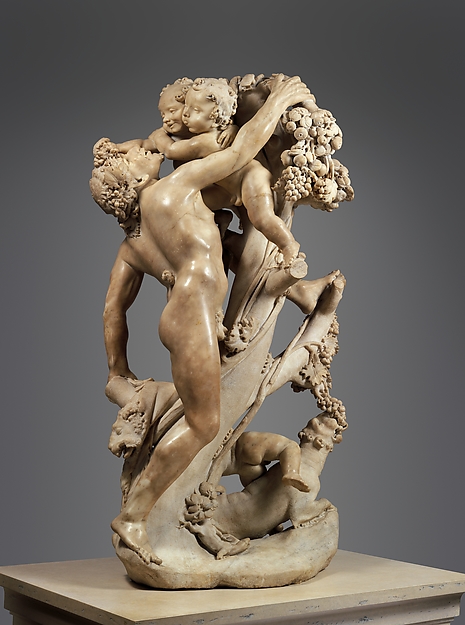
Image title: Bacchanal: A Faun Teased by Children
Medium: Marble
Date: ca. 1616–17
Source:
The Met Collection
“
”
—
‘We Are All Curators Now’: How TikTok Is Redefining What Makes Art ‘Important’
Introduction: The Digital Renaissance
In the hushed halls of traditional museums, curators have long held the authority to decide which artworks are worthy of admiration, scholarship, and preservation. These decisions shaped canons, guided scholarship, and framed public understanding of art for generations. But in the age of TikTok and viral content, a powerful shift is unfolding. Now, cultural authority is becoming decentralized, dispersed across millions of screens and voices. Platforms like TikTok, Instagram, and YouTube are giving rise to a new form of curation—one where 15-second videos remix centuries-old masterpieces, and museum walls meet Gen Z humor, memes, and mashups. Welcome to the age where we are all curators.
Chapter 1: The Canon Before Clicks—Art Curatorship Through the Ages
Historically, the role of the curator was akin to that of a cultural gatekeeper. In Renaissance Florence, Medici patronage determined which artists would ascend into the history books. Enlightenment-era museums like the Louvre amassed encyclopedic collections framed by dominant ideologies of empire and Eurocentrism. In the 19th and 20th centuries, influential curators like Alfred H. Barr Jr. of MoMA used exhibitions to shape the trajectory of Modernism, declaring certain movements—Cubism, Surrealism, Abstract Expressionism—as art history’s “main line.” In each case, the curator mediated access to value, excellence, and meaning.
Chapter 2: The Rise of the Remix—Postmodern Critique and Pop Culture’s Challenge
The late 20th century questioned these gatekeeping norms. Postmodern art movements, from the Pictures Generation to Appropriation Art, saw artists like Cindy Sherman and Sherrie Levine repurpose imagery to critique originality and authority. Simultaneously, the explosion of pop culture—especially MTV-era aesthetics—blended high and low art, foreshadowing the playful intertextuality we now see online. Museums began to rethink outreach, integrating more diverse artists and perspectives. Yet even then, physical space and scholarly credentials still largely dictated who and what mattered.
Chapter 3: The TikTok Turn—Algorithmic Aesthetics and Democratized Discovery
Today, TikTok’s algorithmic feed surfaces content based not on prior reputation or scholarly validation, but on how engaging or relatable a clip is in real time. Artists and amateurs alike can reinterpret a Vermeer or remix a Rothko, staging 10-second dramas or imagining mashups that reach millions overnight. The viral ‘museum outfit’ trend or the comedic ‘museum heist POV’ videos double as art lessons and social commentary. The barriers to curation have dissolved; you need not have a degree in art history to spark a viral dialogue about color theory or cultural symbolism.
Chapter 4: Recontextualizing the Archive—Museums in the Digital Agora
Recognizing this shift, many institutions have embraced platforms like TikTok to reach broader audiences. The Uffizi Gallery in Florence has posted art memes, and the Getty Museum hosted a viral challenge inviting users to recreate famous artworks from household items. These initiatives reflect a growing understanding that engagement is not antithetical to scholarship but can enhance it. When Gen Z users reinterpret Peter Paul Rubens through cosplay and commentary, they breathe new life into static collections, and museums become less temples than forums.
Chapter 5: From Gatekeeping to Guiding—The Role of the Curator Reimagined
As the locus of curatorial authority expands, the role of professional art historians and curators is evolving. Rather than declaring meaning, today’s curators are asked to facilitate conversations, broaden narratives, and navigate ethics in digital representation. The democratization of cultural discourse via TikTok and similar platforms invites a philosophical reckoning: what defines art’s importance? Is it institutional endorsement, communal relevance, or emotional resonance amplified through viral share-ability? In a world awash with content, the curator’s role may be shifting from gatekeeper to guide, from authority to collaborator.
Conclusion: Curators of Culture, All of Us
The digital age has not diminished art’s value; it has redistributed the power to define it. TikTok may be fleeting in its format, but its impact is durable: it has democratized access, upended hierarchies, and fostered emotional, humorous, and fresh connections to art once seen as remote. We are all curators now—not by training or title, but by participation. In this new paradigm, meaning is shaped not solely in the marble corridors of old institutions, but in the flickering glow of a smartphone screen.

Image description:
06/12/2011 International Digital Curation Conference, Bristol. Helen Tibbo of University North Carolina asks a question during the genomics symposium.
License:
CC BY 2.0
Source:
Wikimedia Commons
Useful links: