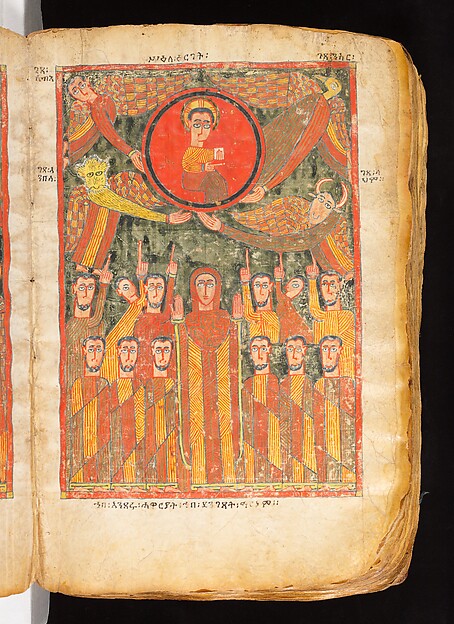
Image title: Book of the Gospels
Medium: Parchment (vellum), acacia wood, tempera, ink
Date: late 14th–early 15th century
Source:
The Met Collection
“
Injuries may be forgiven, but not forgotten.
”
— Aesop
The Forgotten Women of Islamic Miniature Painting
Introduction – Unearthing the Hidden Brushstrokes
Across the golden ages of Persian and Islamic miniature painting, courtly ateliers flourished under royal patronage. The lavishly illuminated manuscripts that emerged from these workshops remain a testament to the refinement, lyricism, and spirituality that defined Islamic art. But amid the elegantly robed male artists who signed their names in delicate nasta‘liq script, a quieter narrative was unfolding — that of the women who taught, painted, and often illuminated manuscripts in the shadows of tradition. This article retraces their elusive traces, reconstructing their place within the cultural and intellectual landscapes of Islamic art history.
Chapter I – The Courtly Origins: Women in the Early Persian Workshops
In the Timurid and early Safavid courts, the miniature was more than ornamentation; it was a visual poem, an embodiment of philosophical ideals rooted in Sufi mysticism. While historical records rarely mention female names, ethnographic and archival fragments suggest that royal women often oversaw and participated in the artistic education of young painters. Princesses in Herat and Samarkand reportedly maintained private studios, commissioning illustrated works that reflected both their learning and their aesthetic discernment. These women not only patronized art but facilitated the transmission of knowledge — a quiet act of stewardship that ensured artistic continuity across generations.
Chapter II – The Silent Brush: Hidden Labor in the Safavid Era
By the sixteenth century, under Shah Tahmasp I, Persian miniature painting reached an apex of refinement. Yet, the rise of increasingly strict gender norms drove women’s participation further into the private sphere. Many artists’ workshops employed female artisans to apply delicate gilding, tint pigments, and prepare paper — stages crucial to the perfection of manuscripts. Although their names were rarely recorded, encoded references in workshop documents hint at female scribes and colorists. The domestic spaces of Isfahan and Tabriz might conceal small studios where learned women contributed both intellectually and materially to the illumination of texts celebrating divine love, nature, and cosmological order.
Chapter III – The Mughal Connection and Transcultural Exchange
When Persian miniature traditions traveled to Mughal India, they encountered a cosmopolitan environment where courtly women enjoyed a distinctive space within the arts. The Mughal queens Nur Jahan and Jahanara Begum are documented patrons whose refined aesthetic sensibility shaped manuscript production and architectural design. Workshops linked to their estates supported female artisans who learned miniature painting alongside calligraphy and textile decoration. The adaptation of Persian stylistic ideals in India thus brought women to a more visible — if still marginalized — stage. Through Mughal patronage, women’s creative agency unfolded in ways that subtly destabilized the strict masculine hierarchies of artistic authorship inherited from earlier dynasties.
Chapter IV – The Enlightened Nineteenth Century: Rediscovery and Reinvention
By the nineteenth century, colonial encounters and the advent of printing began to erode the manuscript as a primary artistic medium. Yet, within private households, educated women continued the miniature tradition on ivory, silk, and paper. In Qajar Iran, some court women studied portraiture from European engravings, fusing Western naturalism with Persian idealization. Their works, often unsigned, display an intimate vision — gentle yet firm — asserting feminine aesthetic authority amid rapid modernization. This period also heralded a new consciousness of authorship: a few rare signed miniatures and references in memoirs reveal women claiming visibility, aligning artistic skill with intellectual refinement.
Chapter V – Legacy and Reclamation in the Modern Era
Today, scholars and artists are piecing together this neglected legacy. Archival research and feminist art historiography are illuminating the networks of women who sustained Persian miniatures’ vitality. Contemporary Iranian and South Asian female artists re-engage miniature techniques as acts of cultural memory and resistance. Their reinterpretations — from meticulously gilded political allegories to digital miniatures — reassert that women have never been absent from this tradition, only obscured by the structures of authorship and history. Through renewed scholarly attention and creative revival, the invisible brushstrokes of these forgotten women regain their rightful radiance, reminding us that every illuminated manuscript holds the pulse of countless unseen hands.
Conclusion – The Whisper Beneath the Gold
The history of Islamic miniature painting glows with gilded hues, yet it is the faint voices within those pigments that speak most profoundly today. Reclaiming the contributions of women artists transforms how we see not only artistic history but the broader civilizational inheritance of beauty, intellect, and devotion. Each rediscovered name and brushstroke expands our understanding of a tradition that continues to inspire, proving that brilliance often thrives in quiet, unrecorded corners — awaiting the moment to be re-illuminated.
Useful links: