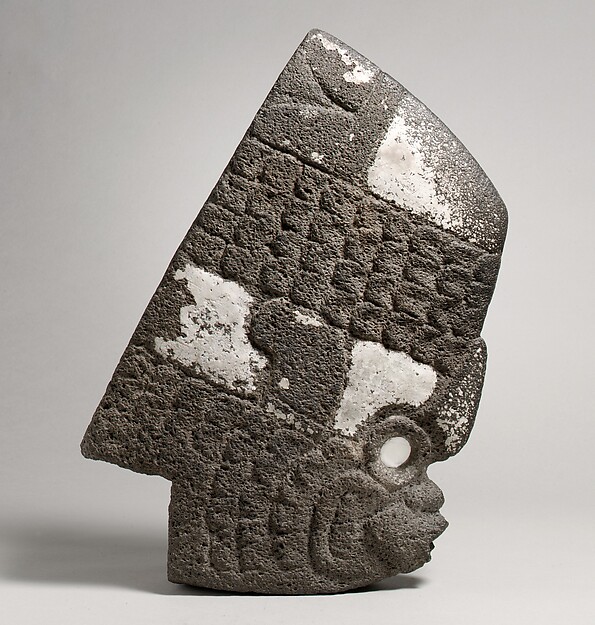
Image title: Fish hacha
Medium: Stone, shell, traces of plaster, pigment
Date: 600–900 CE
Source:
The Met Collection
“
Pitching is the art of instilling fear.
”
— Sandy Koufax
‘Smell This Painting’: The Lost Scent Worlds of Classical Art
Introduction: Unlocking the Forgotten Sense
Visual art has long captivated our eyes, inspired thought, and ignited emotion. But what if the art of the past engaged more than just our sense of sight? As historians and scientists delve deeper into multisensory reconstructions, a curious new question emerges: What did classical paintings smell like? While it may sound whimsical, olfactory reconstructions are offering new ways to experience art—and revealing how profoundly scent shaped ancient aesthetics, rituals, and environments.
1. Ancient Egypt: Perfumed Rituals and Painted Temples
The visual splendor of ancient Egyptian wall paintings—laden with lotus blossoms, opulent feasts, and sacred rites—was deeply intertwined with scent. Incense played a central role in temple ceremonies, and artists often included fragrant flowers and oil-bearing scenes not only for narrative richness but also as mnemonic triggers. Reconstructions of temple air, infused with kyphi (a complex incense blend), help us understand how multisensory environments reinforced religious experiences. Paintings were not inert; they were part of olfactory performances that elevated consciousness and channeled divinity.
2. Greco-Roman World: Fragrance as Philosophy and Luxury
Classical Greece and Rome saw scent as a philosophical and social marker. While Greek aesthetics focused heavily on ideal forms and visual harmony, philosophers like Aristotle and Theophrastus discussed the essence of smell and its effect on perception. Roman frescoes, particularly in elite villas like those in Pompeii, often depicted scenes of gardens and opulent banquets. These were not mere illustrations—they evoked a total sensory ambiance. Modern reconstructions using oil-infused pigments and re-created perfumes reveal how paintings were experienced in scented rooms, reinforcing status and stirring memory.
3. Medieval Europe: The Sacred and the Subtle
In the dim interiors of medieval churches, visual art worked hand in hand with incense and ritual. The scent of frankincense and myrrh wafted through spaces adorned with gilded icons and illuminated manuscripts. Here, scent reinforced the divine presence—intangible, but powerfully felt. While medieval paintings themselves may not have emitted scent, their ritual contexts were saturated with fragrance. Monastic scripts describe detailed mixtures for liturgical use, showing how closely medieval religious life linked olfaction and vision to the soul’s journey.
4. Renaissance Sensuality: The Rebirth of Multisensory Pleasure
The Renaissance reawakened the human senses, and smell was no exception. As naturalistic painting emerged with figures like Botticelli and Leonardo da Vinci, depictions of springtime, mythological seduction, and botanical gardens invited not just visual but also imagined aroma. Scented oils and pomanders were common in elite interiors. Historians now theorize that the presence of citrus, roses, or musk in a room enhanced interpretive depth. New research into organic pigments reveals that some Renaissance paint formulations included aromatic resins—subtle contributors to the multisensory ambience of viewing.
5. Contemporary Reconstructions: Technoscents and Virtual Time Travel
Today, artists and preservationists are employing technologies like gas chromatography and scent diffusion to resurrect historical atmospheres. Institutions such as the Odeuropa project and sensory history labs are working to archive and re-create historical smells, enabling visitors to museums or VR exhibitions to “smell” artworks as their original viewers might have. Contemporary installations by artists like Sissel Tolaas blend scent with visual media to provoke memory and redefine aesthetic experience. The blending of art and olfaction isn’t just nostalgic; it’s pushing the boundaries of how we define and engage with cultural heritage.
Conclusion: Seeing Art with the Nose
In exploring the scent worlds of classical art, we open doors to a more embodied understanding of history. Smell, often neglected in modern museum settings, was once central to the aesthetic and symbolic life of artworks. As science and art merge to recover these lost dimensions, we are reminded that beauty was never only seen—it was also inhaled, felt, and remembered in a fuller sensory reality. So next time you admire an ancient painting, ask yourself: what might it have smelled like?

Image description:
Perfume outlet in Toronto Premium outlets
License:
CC BY-SA 4.0
Source:
Wikimedia Commons
Useful links: