“
All is flux; nothing stays still.
”
— Heraclitus
Paint What You Eat: Culinary Still Lifes from Uncolonized Perspectives
Introduction: A New Appetite for Still Life
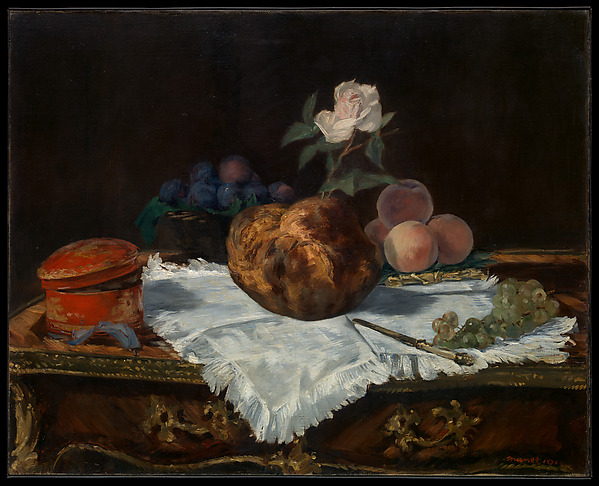
Still life painting often evokes images of gleaming grapes, porcelain bowls, and Dutch cheese delicately arranged on a linen-covered table. These works, steeped in European artistic tradition, reflect prosperity, trade, and imperial access to exotic goods. However, rarely do these canvases tell the stories of the communities and environments from which such ingredients were extracted. Today, a wave of Indigenous artists from across the world are shifting the narrative. Rather than emulating the Eurocentric still life, they are painting what they eat—literally and culturally—by placing local foods, rituals, and ancestral practices at the center of their works. This reframing transforms still life from a passive aesthetic exercise into a vivid assertion of presence, memory, and sovereignty.
Chapter 1: Colonial Bounties and the European Gaze
European still lifes reached their apex in the 16th and 17th centuries, with Flemish and Dutch painters such as Pieter Claesz and Clara Peeters creating lush compositions that symbolized wealth and transoceanic reach. These works often included imported fruits, luxury spices, and prized seafood—all transportable symbols of colonial conquest. Food was not only sustenance but an aestheticized trophy of empire. Yet what remained absent were the laborers, environments, and cultures that facilitated this feast—particularly the Indigenous peoples whose lands and ingredients were being commodified.
Chapter 2: Reclaiming the Canvas: Indigenous Foodways as Resistance
Indigenous artists from the Americas, Oceania, and Africa are now reclaiming the still life genre by depicting native ingredients that are central to cultural identity and survival. For example, Chicana artist Juana Alicia incorporates maize, nopales, and chili peppers into her murals to celebrate Mesoamerican agricultural traditions, with the food often serving as a metaphor for political and spiritual resistance. In Canada, Anishinaabe artist Bonnie Devine explores the histories of wild rice (manoomin), reflecting its sacred status and continued fight against ecological degradation. These works transform familiar renderings of food into visual acts of reclamation, emphasizing the interconnection between land, lineage, and resilience.
Chapter 3: Ritual and Seasonality in Indigenous Still Lifes
Unlike the permanence celebrated in European still lifes—meticulously preserved moments of temporal abundance—Indigenous food art often emphasizes seasonality, ritual, and reciprocity with nature. Artists such as Brian Robinson from the Torres Strait Islands integrate images of traditional fishing tools, seasonal harvests, and ceremonial preparations. These still lifes are alive with temporality, echoing Indigenous philosophies that treat food not just as a commodity but as a living relationship. This orientation not only subverts colonial assumptions of inert nature but repositions still life as a form of ecological storytelling.
Chapter 4: Mediums of Memory: From Textile to Digital
Not all Indigenous food-based artworks are painted on canvas. Some artists turn to traditional and contemporary technologies to express culinary heritage. Māori artist Ani O’Neill fuses embroidery, fabric crafts, and sculpture to depict Pacific Island feasts, turning communal dishes into three-dimensional, tactile still lifes. Conversely, contemporary digital artists like Erin Konsmo (Métis/Saulteaux) merge augmented reality with food symbolism, embedding historical trauma and futurist visions into interactive portraits of sustenance. These works not only expand the definition of still life but question the colonial hierarchies of artistic media itself.
Chapter 5: Towards a Decolonial Aesthetic of Nourishment
In recentering the local, the seasonal, and the ritualistic, Indigenous artists are cultivating a decolonial aesthetic of nourishment. Their still lifes are not merely about bounty but about reciprocity, kinship, and place-based knowledge. They resist the objectification of food as exotic and reanimate it as a portal to story, ceremony, and survival. As global food systems face increasing instability—from climate change to corporate monoculture—these visual declarations become guides toward more sustainable, respectful, and grounded ways of living, both on and off the canvas.
Conclusion: Painting Presence Through Food
By painting what they eat, Indigenous artists are not only adding a vital voice to the genre of still life—they are reimagining its purpose entirely. From seed to table, from canvas to ceremony, their work invites viewers to taste the stories and histories that have long been erased or distorted. These still lifes do not merely preserve—they provoke, sustain, and nourish.
Useful links: