“
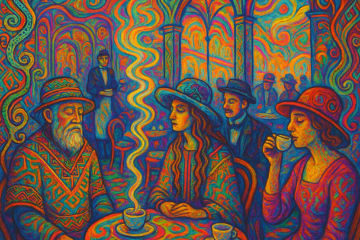
Friendship multiplies the good of life and divides the evil.
”
— Baltasar Gracián
#GlobalBrushstrokes: Contemporary Painters Bridging Cultural Divides Online
Introduction: A Canvas Without Borders
In the twenty-first century, the lines that once defined art by region or tradition are blurring. Through digital platforms, contemporary painters from opposite corners of the globe are collaborating, exchanging influences, and unleashing a torrent of hybrid styles. This phenomenon—akin to a hashtag brought to vibrant life—finds its pulse in online communities where brushstrokes carry stories, heritage, and dreams across continents. Join us as we trace the evolution of global artistic exchange, from ancient trade routes to today’s online collectives, and explore how digital spaces nurture a new era of transcultural creativity.
I. Setting the Stage: From Silk Road to Modern Salons
The cross-pollination of artistic ideas is nothing new; consider the Silk Road, where Chinese, Persian, and European motifs mingled as goods and artists traversed continents. Centuries later, the rise of cosmopolitan cities like Paris and New York turned salons and academies into melting pots of styles and philosophies. Still, these encounters relied on physical migration or chance. The sharing—though rich—was slow, constrained by the limits of travel and communication. The seeds of global art exchange were sown, but the world had yet to witness their full bloom.
II. The Digital Revolution: Web 1.0 and Early Online Art Communities
The late twentieth century ushered in the digital age. Early websites and forums brought painters onto a shared virtual stage. Suddenly, a watercolorist in Lagos could correspond with an abstract artist in Berlin. Websites like DeviantArt and Flickr, though rudimentary compared to today’s social media, offered the first web-native art galleries. These early digital platforms enabled feedback, collaboration, and the mixing of techniques. No longer limited to local critique circles, painters began experimenting with unfamiliar idioms, creating works where Japanese minimalism might meet Colombian color palettes in a single digital brushstroke.
III. Social Media and the Rise of the #GlobalBrushstrokes Movement
With the advent of Instagram, TikTok, and region-specific platforms like WeChat or VK, sharing art became instant, global, and democratic. Hashtags like #GlobalBrushstrokes or #ArtWithoutBorders emerged, propelling unknown talents into international spotlights and inspiring a generation to mash-up traditions. Artists now collaborate via DMs, livestream their creative process for fans in multiple time zones, and tackle themes like climate change or identity with a plurality of voices. Hybrid styles flourish: Nigerian-Ukrainian figurative abstractions, Filipino-Scandinavian surrealist portraits—impossible to pigeonhole, these works become living testaments to cross-cultural dialogue.
IV. Philosophical and Cultural Fusion: Reimagining Identity through Art
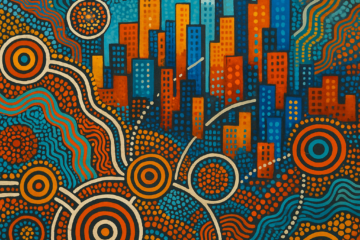
These digital-era meetings do more than produce novel visuals; they prompt deep philosophical questions about authenticity, ownership, and belonging. In online spaces, cultural heritage is both respected and transformed. Painters riff on ancient motifs or reinterpret folklore, layering them with symbols from distant cultures. This synthesis challenges viewers to reconsider what ‘purity’ of style means, suggesting instead that invention often springs from mingling. The hybrid painting becomes a site of negotiation—a visual bridge—where personal and collective stories intertwine.
V. Technological Innovations: AI, VR, and the Painters of Tomorrow
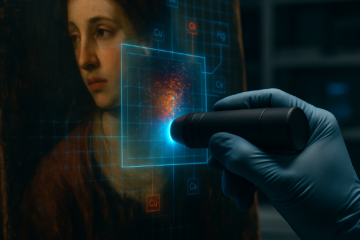
Tapping into the latest technological advances, contemporary painters are collaborating in ways even the internet pioneers of the 2000s could not have foreseen. Artificial intelligence suggests color schemes inspired by multiple cultures. Virtual reality painting spaces allow artists from Montreal and Mumbai to meet ‘in person’ and co-create murals in a shared digital studio. With blockchain and NFTs, collaborative works can be co-owned, accessible worldwide. As technology evolves, so too does the very definition of painting, catapulting it into realms that challenge and reimagine physical and conceptual boundaries alike.
Conclusion: The New Language of Global Art
In our hyperconnected era, painters wield not only brushes but also hashtags, pixels, and code. Their collaborations, driven by curiosity and facilitated by technology, generate dazzling hybrid forms that embody humanity’s potential for empathy, learning, and innovation. #GlobalBrushstrokes is more than a trend—it is the writing of a new chapter in art history, where every culture has a voice and every artist a passport to creativity’s boundless world. The legacy of these digital pioneers will be measured in the richness of their visual dialogue—and the bridges they build across the palette of our shared future.
Useful links: