“
One secret of success in life is for a man to be ready for his opportunity when it comes.
”
— Benjamin Disraeli
Coded Canvases: The Secret Language of Symbolism in Dutch Still Life
Introduction: The Silent Stories of Dutch Vanitas
In the opulent world of 17th-century Dutch still life paintings, a secret language of symbols unfolds with each carefully placed object. At first glance, these lavish depictions of food, flowers, and everyday items appear as mere celebrations of wealth and abundance. However, they are rich with allegorical content, cleverly coded to communicate moral and philosophical messages to the astute viewer of the time. This era’s approach to visual storytelling reveals as much about the cultural and societal nuances of its day as it does about the artistry itself. This article delves into the layers of symbolism within these masterpieces, offering a deeper understanding of the world in which they were created.
Section 1: The Birth of Symbolic Still Life
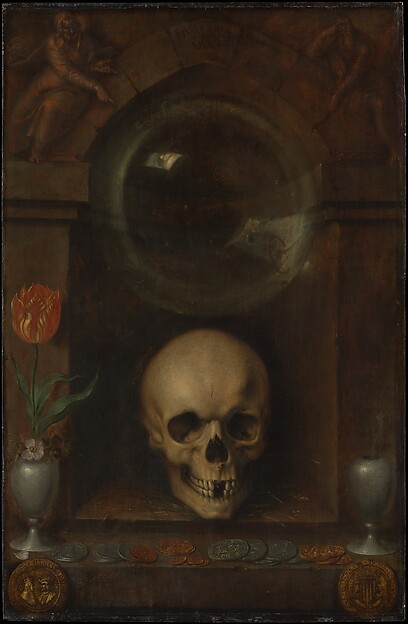
During the Dutch Golden Age, an abundance of wealth spurred a thriving market for paintings that celebrated material prosperity. Yet, this era was also marked by a profound awareness of life’s ephemerality—a perspective greatly informed by wide-reaching theological beliefs and the aftermath of the Thirty Years’ War. The genre of still life painting, known as ‘vanitas’, reflects this duality. Artists depicted objects that suggested the vanity of worldly possessions and the inevitability of death. Such paintings often featured a collection of luxurious goods, interspersed with symbolic reminders of mortality like skulls or wilting flowers. They served both as moral tales and visual inventories, showcasing an artist’s technical prowess alongside their philosophical depth.
Section 2: Fruits, Flowers, and Their Temporal Significance
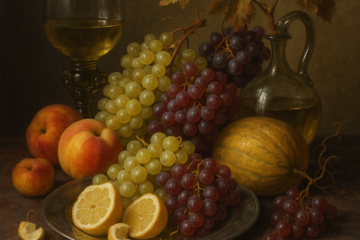
The choice of fruits and flowers in still life paintings carried a specific symbolic weight. For instance, ripened fruit embodied the peak of beauty and prosperity, yet, due to their perishable nature, also symbolized transience. Similarly, flowers, depicted in detailed bloom, implied not only the skillful handling of the artist but also the fleetingness of beauty and life. Tulips, in particular, held special currency in the Netherlands due to ‘Tulip Mania,’ the period’s speculative craze. Their appearance in paintings could denote both a caution against economic folly and a celebration of newfound wealth.
Section 3: Table Settings and Hidden Messages
The arrangement of tables filled with bread, cheese, and opulent tableware were more than mere indicators of affluence. Each item was invested with meaning. For example, bread in paintings often symbolized central Christian tenets such as the body of Christ, drawing a line between earthly indulgence and spiritual salvation. Wine glasses, often depicted half-empty, stood for life’s brevity and the importance of savoring moments, a sentiment captured in the Latin phrase ‘Carpe Diem.’ Such setups allowed artists to embed moral lessons within sumptuous scenes of abundance.
Section 4: The Role of the Skull: A Memento Mori
Perhaps one of the most stark and instantly recognizable symbols in Dutch still life is the human skull. Representing mortality and the unavoidable reality of death, skulls served as a stark contrast to the lushness and material richness surrounding them in these paintings. The inclusion of a skull in an art piece acted as a reminder to humankind to recognize the impermanent nature of life and worldly possessions. This element also connects to the traditions of the memento mori, urging viewers to consider their own mortality regularly.
Section 5: The Influence of Scientific Discoveries
The 17th-century Netherlands was a hub of scientific and exploratory advancement. This era witnessed remarkable progress in fields such as optics, which influenced the precision with which artists could depict objects. The microscopic detail observed in many still life paintings reflects not only artists’ mastery of their medium but also the contemporary fascination with observation and classification that defined the period. This era’s artists were, in a sense, visual scientists cataloging their world, imbuing their works with the dual authority of beauty and empirical documentation.
Conclusion: Decoding the Canvas
Understanding the layers of symbolism within Dutch still life paintings enriches our appreciation of art. These works are more than aesthetic endeavors; they are complex narratives describing an era’s cultural, religious, and philosophical discourse. By decoding these symbolic messages, modern viewers can gain insights into a time where art served as both a mirror and a teacher of life’s fragile, fleeting nature.

Image description:
File:Franciscus Gijsbrechts – Vanitas still life with a skull, a globe, a trumpet and smoking implements.jpg
License:
Public domain
Source:
Wikimedia Commons
Useful links: