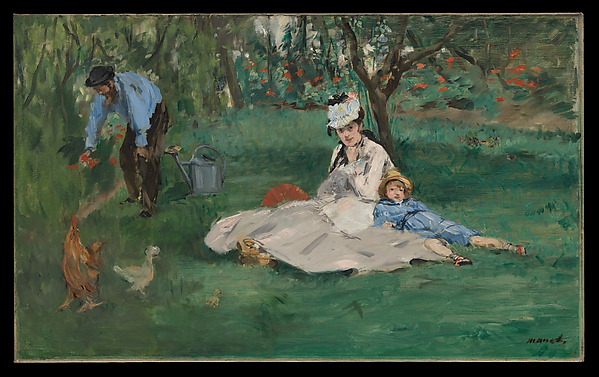
Image title: The Monet Family in Their Garden at Argenteuil
Medium: Oil on canvas
Date: 1874
Source:
The Met Collection
“
The meaning I picked, the one that changed my life: Overcome fear, behold wonder.
”
— Richard Bach
Brushstrokes Behind Bars: Prison Art Movements That Changed National Conversations
Introduction: Art as Resistance Behind Bars
Throughout history, visual art has served as a powerful medium of expression, healing, and protest. Nowhere is this more poignant than within the prison system. Incarcerated artists, despite the confines of brick, steel, and surveillance, have used brushes and chisels not merely to pass time, but to reclaim identity, critique oppressive institutions, and inspire systemic change. From apartheid-era South Africa to modern penitentiaries in the United States, prison art movements have drawn attention to injustices and reshaped public discourse around incarceration.
1. Robben Island and the Palette of Resistance
South Africa’s Robben Island, where Nelson Mandela and many other anti-apartheid activists were imprisoned, became an unlikely site of rich creative output. Inmates, denied access to common art supplies, improvised with scraps—crushed brick for pigment, shirt fabric for canvases. Visual art was both a secret act of defiance and a therapeutic outlet in the face of political imprisonment. The cultural space known as the “University of Robben Island” became a crucible for art, philosophy, and resistance, laying the foundation for a generation of politicized creative voices that later influenced post-apartheid South Africa’s aesthetic identity.
2. Chicano Murals and the Prison Walls of the U.S.
In the United States, the Chicano civil rights movement of the 1960s and 70s also gave rise to art within prison walls. As mass incarceration disproportionately affected Latino and Black communities, artists like Gilberto Rivera and others in Chino Prison began transforming prison walls into murals that spoke to heritage, injustice, and solidarity. These visual narratives extended the power of lowrider art and public murals into the unreachable interiors of prison, making statements visible to those behind bars and, eventually, to the outside world through exhibitions and community collaborations.
3. The Emergence of the Prison Arts Movement
The 1970s and 80s also witnessed the formalization of prison art activism in the U.S. The Prison Arts Project (now California Arts-in-Corrections) introduced structured arts programs involving professional artists, fostering creative growth within incarcerated populations. Influenced by the postmodern emphasis on marginalized narratives and identity politics, prison art gained increased traction in the wider contemporary art world. Work by men and women in institutions like San Quentin and Attica began to appear in gallery spaces and academic discussions, blurring the lines between rehabilitation, resistance, and fine art.
4. Voices from the Isolation: Solitary Confinement and Outsider Aesthetics
The psychological brutality of solitary confinement did not silence artistic voices—it transformed them. Artists like Ojore Lutalo, held in solitary for nearly 20 years, turned to collage and mixed media to create scathing visual critiques of the carceral state. Influenced by Dadaism and protest art, these pieces, often mailed out from prison, revealed the dehumanizing conditions of isolation. This period also coincided with growing interest in outsider and vernacular art, prompting art institutions to reevaluate what qualified as “important” or “museum-worthy” art.
5. Digital Platforms and the Technological Turn
The 21st century has introduced new avenues for prison art to reach the public. Online exhibitions, social media campaigns, and virtual galleries like The Prison Arts Collective or the Justice Arts Coalition have enabled incarcerated voices to achieve visibility at an unprecedented scale. Despite restrictions on internet use inside prisons, collaborators on the outside scan and post images so that inmates’ works can participate in a global conversation. Here, technology acts as both bridge and spotlight—allowing prison-created works to critique the very systems that censored them.
Conclusion: A Mirror from the Margins
Prison art is not just about reformation or expression—it is historical testimony, philosophical inquiry, and cultural memory. These acts of creation, produced in confinement, refuse to be contained. They demand a public reckoning with the ethics of incarceration, the potential of art, and the humanity of those written off by society. Whether hidden beneath bunk beds or now displayed in major galleries, these brushstrokes behind bars continue to shift national conversations—one canvas at a time.
Useful links: