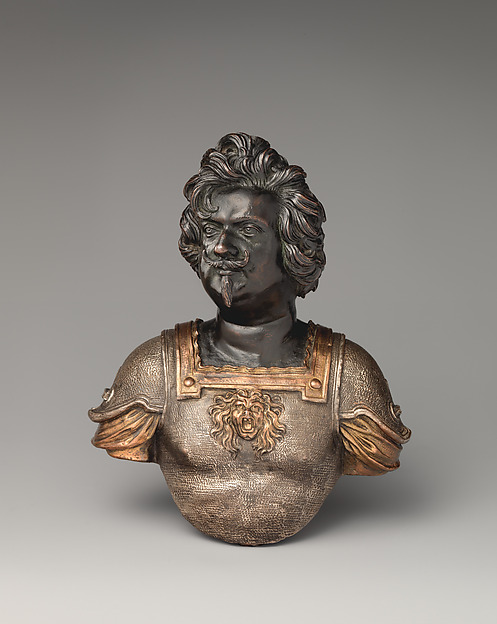
Image title: Paolo Giordano II Orsini, Duke of Bracciano
Medium: Bronze, partially silvered
Date: ca. 1632
Source:
The Met Collection
“
Once we accept our limits, we go beyond them.
”
— Albert Einstein
Beyond Bronze: Forgotten Mediums of Classical Sculpture
Introduction: The Myth of Marble and Bronze
When we think of classical sculpture, images of gleaming marble statues or heroic bronzes often spring to mind—timeless forms that have endured centuries of admiration. But these enduring materials only tell part of the story. Just beneath the surface of popular art history lie the forgotten materials of antiquity—wood, ivory, wax, and even linen hardened with resin. These less-documented substances once played vital roles in shaping the sculpture traditions of ancient civilizations, offering revealing insights into their cultural values, spiritual beliefs, and technological ingenuity. This journey explores these overlooked mediums, uncovering what they can teach us about the societies that once used them.
Chapter 1: Egypt’s Linen Phantasms and the Spirit of Materiality
In ancient Egypt, permanence and the afterlife were deeply entwined motifs in art. Yet, some of the earliest examples of life-sized statuary were crafted not from stone, but from wood and resin-hardened linen. The use of these seemingly impermanent materials in funerary sculpture is paradoxical, particularly in a culture obsessed with eternity. A famous example is the ka statue of Raherka and Meresankh (ca. 2475 BCE), made of wood rather than limestone. Linen, soaked in resin to retain a fixed form, formed the basis for masks and even full-body statues meant to substitute or complement mummified bodies. The choice of organic materials reflected ritual sensitivities as well as practical limitations: expensive stone was often reserved for royalty, whereas wood and textiles served more accessible commemorative purposes for the elite classes.
Chapter 2: Athenian Innovation—Chryselephantine Splendor
In Classical Greece, ivory and gold created one of antiquity’s most extravagant sculptural forms: chryselephantine sculpture. The most celebrated example, Phidias’s Statue of Zeus at Olympia—one of the Seven Wonders of the Ancient World—highlighted wealth, craftsmanship, and divine reverence. Ivory represented the flesh, delicately carved to portray human softness, while gold encased robes and ornaments of the gods. These sculptures were housed in dark temples, illuminated by oil lamps that made the gold glint and the ivory glow, imbuing the divine figures with a supernatural aura. The ephemeral nature of ivory and gold may explain the loss of such masterpieces, but their conception attests to a culture that combined naturalism with opulence, using delicate materials to evoke both the realism and majesty of its deities.
Chapter 3: Wood in Etruscan and Roman Domestic Art
While Greek art emphasized monumental forms, the Etruscans and early Romans embraced more intimate, personal materials—chief among them, wood. Household shrines (lararia) often featured wooden figures of domestic deities, a medium conducive to smaller scale and personal devotion. Pliny the Elder laments the loss of such works in his “Natural History,” noting that many artists favored wood for its malleability and warmth. Wood was also common in public statuary, often covered in stucco or painted to mimic bronze. These practices illustrate a nuanced material culture where utility, symbolism, and impermanence coexisted. The eventual decline in wood use corresponded with shifts in artistic ideology and the increasing favor of stone’s perceived immortality under Imperial Rome.
Chapter 4: Lost Waxes—The Invisible Medium Behind Bronze
Paradoxically, one of the most vital materials in bronze sculpture is one we never see: wax. The lost-wax casting (cire perdue) technique consisted of sculpting a model in wax before encasing it in clay or plaster. Once the mold hardened, the wax was melted and replaced with molten bronze—leaving no trace of the original organic form. The precision this method allowed gave rise to highly detailed classical bronzes like the Riace Warriors. This invisible material reflects a philosophical tension in ancient art: the transitory giving birth to the eternal. Wax served as a ghost medium, essential yet fundamentally transient, a poetic echo of the ephemeral giving rise to the permanent.
Chapter 5: The Legacy of Forgotten Mediums
Today, we measure classical greatness often by what has survived. But survival biases our understanding; materials like wood, ivory, and linen were deeply embedded in the cultural fabric of the ancient world. Their perishability doesn’t diminish their importance but challenges us to rethink art history not as a record of permanence, but as a testament to cultural intention. These mediums point to societies that valued tactility, ritual purpose, and accessible craft—values increasingly relevant in modern conversations about sustainability, preservation, and meaning in art.
Conclusion: Rethinking the Classical Body
To truly understand classical sculpture, one must look beyond marble and bronze. The forgotten materials of the ancient world—fragile, transitory, and rich in symbolism—reveal an art history far more complex and vibrant than what the ruins alone suggest. They offer a reminder that art is not just about what lasts, but about what carries meaning in the moments it lives.

Image description:
Fragments d’une statue chryséléphantine d’Artémis. Musée archéologique de Delphes.
License:
CC BY-SA 3.0
Source:
Wikimedia Commons
Useful links: