“
The language of friendship is not words but meanings.
”
— Henry David Thoreau
Hieroglyphs to Hashtags: The Visual Language of Power
Introduction: The Silent Authority of Symbols
Throughout history, civilizations have used visual language not just as a means of communication, but as a powerful tool to assert authority, claim identity, and shape collective belief. From the engraved stone walls of Egyptian tombs to the minimalistic icons of modern apps, symbols transcend language barriers and become vehicles of influence. This blog explores the journey of visual power—from sacred glyphs to digital hashtags—and how its evolution charts the story of humanity’s relationship with authority and identity.
1. Sacred Symbols: The Divine Authority of Hieroglyphs
In ancient Egypt, writing was more than a practical tool; it was divine magic. Hieroglyphs weren’t mere words—they were sacred images imbued with supernatural power. Pharaohs used them to cement divine rule, covering temples and tombs with elaborate inscriptions. Each symbol, from the Eye of Horus to the scarab beetle, conveyed religious significance and reinforced a ruler’s connection to the gods. The use of gold leaf, scale, and symmetry reflected order—Ma’at—suggesting that power thrived through visual harmony and cosmic alignment.
2. Emblems of Empire: Heraldry and Iconography in the Middle Ages
Moving into the medieval period, authority began to manifest through coats of arms, family crests, and religious iconography. Heraldry transformed symbols into identifiers for noble lineage and military command, with specific color combinations and animals representing virtues like courage, loyalty, or wisdom. Simultaneously, Christian iconography carried powerful theological narratives. Paintings of Christ, the Virgin Mary, and saints encoded messages about salvation, judgment, and obedience. These images served both as devotional tools and instruments of ideological control, reinforcing the Church’s spiritual dominance.
3. The Print Revolution: Mass Communication and Branding of Power
The invention of the printing press in the 15th century revolutionized the dissemination of visual symbols. Martin Luther’s pamphlets, adorned with woodcut illustrations, shaped the Protestant Reformation as much through image as word. Monarchical emblems and crests featured on coins, official decrees, and architecture, standardizing the visual identity of emerging nation-states. Meanwhile, merchants and guilds started implementing early logos—symbols marking trust and quality in a growing economy. A new visual economy of trust and authority began to emerge, rooted in reproducibility and reach.
4. Industrial Age to Modernism: Corporate Logos and Political Propaganda
With the Industrial Revolution came urbanization, mass production, and the birth of consumer culture. Political powers and companies alike recognized the need for recognizable visual language. Propaganda posters in WWI and WWII used bold graphics and slogans to shape public opinion, often relying on national symbols to stir sentiment. Simultaneously, brands like Coca-Cola and Shell established the modern logo: simple, memorable, reproducible. Paul Rand’s work in the mid-20th century—especially his IBM, UPS, and ABC logos—brought corporate identity into an era of strategic design, where visual elements were scientifically optimized to evoke trust, aspiration, or innovation.
5. The Digital Age: Hashtags, Emojis, and the Crowd-Sourced Semiotic Order
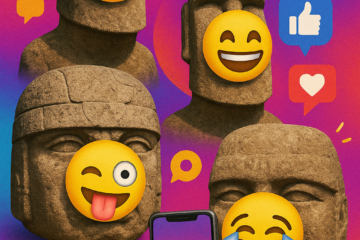
In today’s digital society, symbols are omnipresent ecosystems. The hashtag, born from Twitter, evolved into a grassroots symbol of collective identity and political protest—#BlackLivesMatter, #MeToo, and movements around the world use this tiny visual cue to link decentralized voices into coherent, amplified demand. Emojis, universally understood across linguistic boundaries, allow people to convey tone, identity, and emotion in single characters. Brands, influencers, and politicians curate their digital identities through profile pictures, verified badges, and sleek icons, each meticulously crafted to shape perception. Visual authority today is agile, viral, and democratized—yet still deeply controlled through platforms and algorithms.
Conclusion: Power in Pixels and Paint
From the sacred chambers of ancient tombs to the pixelated realm of smartphones, the visual language of power has transformed along with our technologies and cultural paradigms. Yet its core function remains: to visualize belief, encode authority, and shape identity. As we continue to navigate a world saturated with symbols—from national flags to influencer avatars—it becomes more vital than ever to develop visual literacy. Understanding the symbols of power helps us decode who commands cultural narratives—and why.
Useful links: