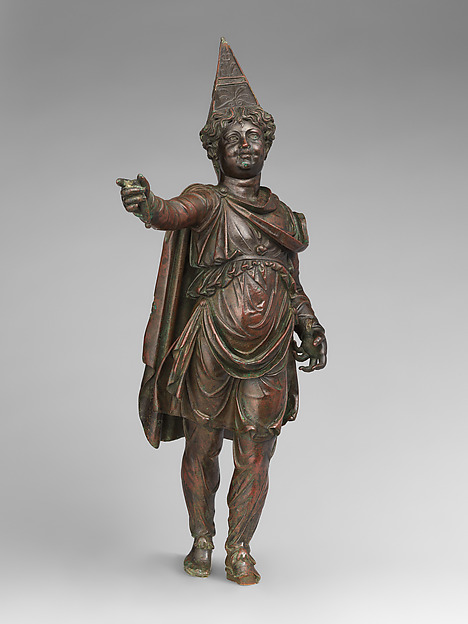
Image title: Bronze figure of a boy in Eastern dress
Medium: Bronze
Date: mid-late 1st century BCE
Source:
The Met Collection
“
In the sweetness of friendship let there be laughter and sharing of pleasures. For in the dew of little things the heart finds its morning and is refreshed.
”
— Kahlil Gibran
Laughter in Bronze: Satire and Humor in Classical Sculpture
Introduction: The Hidden Smirk of Antiquity
When we think of classical sculpture, we often imagine solemn marble deities, heroic athletes, or stoic philosophers—figures carved with gravitas and set in timeless stillness. However, the visual vocabulary of the ancient world was far more varied and surprisingly humorous. Greco-Roman sculptors frequently injected satire, irony, and laughter into their stone and bronze creations, challenging the modern assumption that antiquity was devoid of humor. This blog delves into the subversive and funny side of classical sculpture, tracing its evolution through the ages and highlighting the cultural and philosophical currents that encouraged a more playful portrayal of the human experience.
Chapter 1: Punchlines in Pumice – Comic Sculpture in Classical Greece
In ancient Greece, visual humor was often reserved for pottery and theater, yet sculptors found their own ways to amuse. The ‘grotesque’ figures from the Hellenistic period are particularly telling—sculptures of old hags, dwarfs, drunkards, and exaggerated physiognomies engage in visual parody. These works, sometimes called phlyax figures, acted as three-dimensional extensions of theatrical comedy. They were not merely decorative; they offered social critique, poking fun at vanity, excess, and even the gods themselves. The prevalence of these figures coincides with the rise of Aristotle’s Poetics and discussions of comedy’s role in society—suggesting that humor, like tragedy, played a part in the civic and philosophical discourse of the time.
Chapter 2: Rome Laughs Back – Satirical Busts and Witty Inscriptions
As Roman sculpture evolved from Hellenistic traditions, it embraced realism and wit in equal measure. Busts of philosophers and politicians often carried knowingly ironic expressions—lopsided grins, raised eyebrows, or caricatural features—rendering them more real than ideal. The Romans also utilized inscriptions on tombs and public monuments to convey satirical messages. One famous example is a funerary stele that reads: “Here lies Publius, a moneylender. He is lending nothing now.” Such inscriptions exemplify the Roman appetite for ironic humor, even in death. Sculptural grotesques adorned urban courtyards and garden mosaics often featured silly mythological reversals, like Cupid overpowering Hercules, imbuing elite homes with both elegance and laughter.
Chapter 3: The Philosophical Smile – Humor as Anti-Idealism
The humorous threads in sculpture also reflect deeper philosophical tensions. The Sophists in Greece and later Cynics and Epicureans in Rome questioned the pursuit of ideal forms. Humor, embodied in sculpture through distorted forms and exaggerated features, undermined the rigid visual codes of heroism and perfection. The art of distortion became a thinking tool, suggesting that wisdom might lie in imperfection or absurdity. Such subversions prefigured later artistic movements like Mannerism and even modern caricature, which borrowed from classical modes of visual satire. In a world increasingly governed by Stoic reserve and imperial grandeur, a crooked smile or a sagging belly in bronze was a quiet act of resistance.
Chapter 4: The Afterlife of the Joke – Rediscovering Classical Humor in the Renaissance
The Renaissance rediscovery of ancient sculpture often obscured its comedic dimensions. Scholars like Giorgio Vasari praised the harmony and dignity of classical forms, sidelining the humorous grotesques as anomalies. Yet artists such as Leonardo da Vinci and later caricaturists like Annibale Carracci looked closely at these forms. Carracci’s famous grotesques, drawing from Roman garden statues, brought ancient visual satire back into vogue. Even Michelangelo added a touch of ironic commentary in the twisted musculature and playful compositions of his later works. As classical art was canonized, its smiles returned—sometimes knowingly, and sometimes lost in translation.
Chapter 5: Bronze Echoes – Classical Humor in Contemporary Art
Today, contemporary sculptors often revisit the humor found in classical forms. Artists like Jeff Koons or Maurizio Cattelan channel Greco-Roman aesthetics with a postmodern twist, creating shiny, larger-than-life figures that simultaneously reference and ridicule antiquity. 3D scanning and digital modeling have further enabled reinterpretations of classical humorous forms, reviving forgotten grotesques and satirical expressions for modern audiences. Museums now sometimes offer exhibitions dedicated to these aspects—bringing to light the ancient world’s wit once buried beneath centuries of solemn marble. In doing so, contemporary art reawakens the laughter that echo in bronze, revealing a side of antiquity that is playful, self-aware, and unapologetically human.
Conclusion: The Eternal Laugh
The image of classical antiquity as a realm of noble stoicism is incomplete. Beneath the stern faces and godlike physiques lie the smirks of satirical figures, the bulging eyes of theatrical grotesques, and the winking irony of inscriptions that speak across millennia. In laughter, the ancients revealed truths too sharp or too tender for solemnity. And in sculpture—durable, visible, immortal—they carved these truths into form. To rediscover humor in classical sculpture is not merely to laugh with the ancients, but to see them with clearer, more human eyes.

Image description:
Bust of Vicente Ramos Rodríguez, an industralist and Galician philanthropist. Located in Tremo, Os Ánxeles, Brión, Galicia, Spain.
License:
CC BY-SA 3.0
Source:
Wikimedia Commons
Useful links: