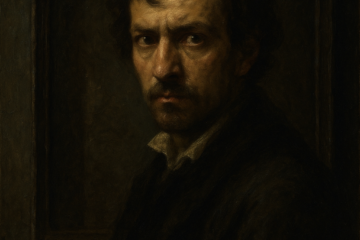
Image title: The Penitence of Saint Jerome
Medium: Oil on wood
Date: ca. 1515
Source:
The Met Collection
“
Injuries may be forgiven, but not forgotten.
”
— Aesop
Lacquer, Ink, and Gods: The Forgotten Visual Cultures of Edo Japan
Introduction: A World in Detail
In the annals of global art history, Japanese Edo-period (1603–1868) visual culture remains a trove of exquisite detail, spiritual resonance, and craftsmanship. While ukiyo-e woodblock prints have long captured the imagination of collectors and historians, there exists a rich, often overlooked spectrum of material and spiritual artistry in the form of meticulously carved netsuke toggles, gleaming lacquerware, and ink-laden religious scrolls. These underrepresented forms were central to everyday life and spiritual practice, encoding political authority, religious devotion, and aesthetic values through their very materiality. Edo Japan’s visual culture served not merely as decoration, but as a communicative system—a complex visual language shaped by class divisions, Shinto/Buddhist syncretism, and technological innovations.
Chapter 1: From Wood to Worship—The Rise of Domestic Devotional Objects
The Edo period marked a time of relative peace under the Tokugawa shogunate, which allowed for burgeoning urban cultures and a flowering of artisanal practices. In this environment, religious iconography transformed. The average citizen could no longer afford temple commissions, prompting a rise in portable and domestic religious objects. Enter the realm of lacquer-painted sutra boxes, miniature altars, and particularly netsuke—the tiny toggles that secured personal items to one’s kimono sash. Though functional in origin, netsuke evolved into elaborate carvings depicting everything from Shinto deities to grotesque folktales, serving as both fashion and quiet acts of devotion. These objects articulate a subtle blend of private faith and public conformity, revealing the spiritual agency of commoners in a highly stratified society.
Chapter 2: Lacquerware as Political Symbolism
Lacquerware in Edo Japan—the urushi tradition—was much more than ornament. The use of layers upon layers of tree-sap resin created objects as durable as they were opulent, ranging from inrō (compartments for herbal medicine) to obi clasps, each steeped in visual symbolism. For the daimyō class and samurai elite, lacquered objects became tools of political prestige. Intricate maki-e (sprinkled gold powder) patterns often portrayed mythical beasts or seasonal motifs that aligned with virtues like loyalty and renewal, visually reinforcing the hierarchical values promoted by the shogunate. Workshops were often under direct domain patronage, producing state-sanctioned aesthetics. The very act of commissioning certain motifs—blossoming plums, phoenixes, waves—was a political message rendered in gold and sap.
Chapter 3: The Monochrome Philosophy of Ink Painting
The zen-influenced tradition of ink painting, or suibokuga, persisted into the Edo period with surprising vitality and adaptability. Inspired by Chinese literati models but reinterpreted through native philosophies, Edo-period ink scrolls and landscape paintings were not simply stylistic endeavors—they were tied deeply to contemplative spiritual learning. These works, often done by monks or retired samurai-turned-scholars, prioritized negative space and visual ambiguity, reflecting Zen Buddhist values of impermanence and inner purity. Artists like Tani Bunchō and Ike no Taiga used ink not to reproduce the external world, but to gesture toward the ineffable. Such pieces were often hung in tokonoma alcoves—a deliberately placed aesthetic space within homes—for meditation and seasonal reflection.
Chapter 4: Material Innovation and Craftsmanship
One often overlooked aspect of Edo-period art is its technological sophistication. Artisans developed advanced methods for carving hard wood, mixing consistent lacquer, and manipulating metal alloys for inlay work. Innovations in tool design and division of labor within studios allowed unprecedented refinement in miniature sculpture—seen in the vivacity and micro-expression of netsuke faces or the incredible detail of maki-e wave patterns. This era also saw the codification of craft guilds under state regulation, ensuring quality but also restricting certain motifs based on class. Art was not only an aesthetic act but a regulated economy, with aesthetic authority delegated by social rank and contracts. Even the material you were permitted to wear or carry was encoded in law, making every act of adornment a social statement.
Chapter 5: Forgotten Narratives and the Global Resurgence
Despite the cultural richness, much of Edo-period material culture fell into obscurity during the Meiji Restoration (1868), which pursued Westernization and modernization. Objects like ink scrolls and netsuke were devalued locally even as they became prized in Europe and America. Western collectors, from Siegfried Bing to Charles Lang Freer, brought these diminutive sculptures and shimmering lacquer wares into foreign museums, interpreting them through orientalist lenses. Only recently has academic scholarship begun to re-evaluate these objects on their own cultural terms rather than as appendices to woodblock prints. The resurgence of interest today reframes Edo visual culture not as mere byproduct of a closed society, but as a sophisticated language through which everyday people elevated the spiritual and the mundane alike. In these neglected arts, we find a mirror of human concern—for beauty, identity, belonging, and transcendence.
Conclusion: Echoes in Urushi
The visual cultures of Edo Japan—crafted through ink, lacquer, and hand-carved netsuke—offer not only an aesthetic delight but a profound cultural documentation. These objects reveal how people made sense of a world governed by rigid order and spiritual yearning. They navigated that world not only with ritual and hierarchy but also through tactile beauty—small gods in pockets, prayers in brushstrokes, permanence carved into impermanence. As we recover these stories from the gleam of urushi and the grain of boxwood, we re-enter a world that has never truly ceased to speak, only fallen momentarily silent.
Useful links: